• 100 Things That Made My Year (2025)

    These are some of the things that made 2025 special:

    1. New Year’s resolution to try and listen to all of Los 600 de Latinoamérica. I didn’t make it all the way there in 2025, but I’m still listening!
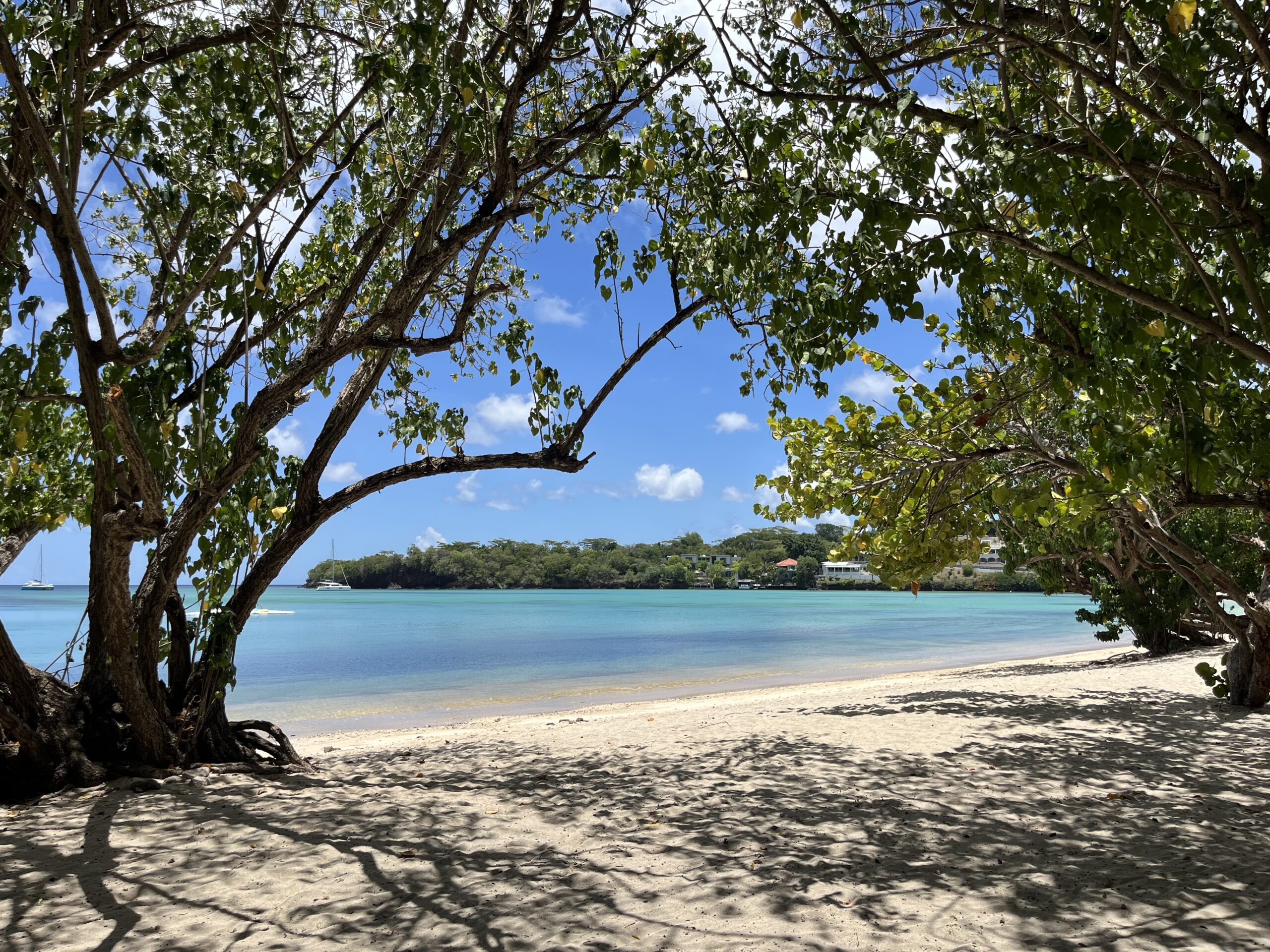
    2. Celebrating 17 years with Angie and hiking Quarantine Point. Drinking giant sangrías and sparkling cocktails before a delicious meal at Brisa Mar. Looking over the breathtaking Morne Rouge Bay.
    3. Many walks on Grand Anse beach.
    4. Rhythms of a Friday evening and the art gallery at the Monkey Bar.
    5. Bad Bunny releasing Debí Tirar Más Fotos and learning that UW-Madison professor Jorell Meléndez-Badillo collaborated with him to make these Puerto Rican history visualizers for each song on the album.
    6. Discovering the store We Have Been Here Before while waiting for Randy to change the Suzuki’s oil. Going there later with Angie on a date.
    7. Fixing our first flat tire with the help of a friend and some local panhandlers. Venturing inland to buy a spare.
    8. Traveling to Lima, Perú to work with an amazing group of English teachers from Ecuador, Bolivia, and Perú as part of the U.S. Department of State’s English Access Program. Weathering the storm that came with our country’s administration change and their defunding of critical diplomacy initiatives abroad.
    9. Learning more about Perú and unity through difference. Exploring the Barranco neighborhood of Lima with its many murals, restaurants, and museums. Eating ceviche and causa at the colorful Canta Rana.
    10. My sister Katie and brother-in-law Ryan visiting for vacation. Hanging with them at La Luna and showing them a little bit of the island. Their son Perry choosing to research Grenada for a school project.
    11. Celebrating Angie’s birthday at Nat’s Pizza. Our friends Matt and Cait surprising her with a pile of homemade cookies with a lit birthday candle on top.
    12. Finding hope in the corners.
    13. Boat ride and snorkeling at the Molinere Underwater Sculpture Park to celebrate Bebe’s birthday.
    14. Listening to Horror on L’Anse Aux Epines neighborhood runs with ocean views in three directions.
    15. Cal’s spring break visit. Still waiting for KFC. Exploring Seven Sisters and finding the secret waterfall. Braving the deep plunge pool. Driving to the north of the island for the first time and seeing Copper Falls. Eating pelau and earning an audience of street dogs. Visiting the Jouvay Chocolate Factory, discovering petroglyphs, and hiking to the lookout. Grilling out on the SGU campus. Discovering the hidden beach at Quarantine Point. Sailing and accidentally playing chicken with a sea turtle. Surfing (kind of) and tide pools.
    16. Writing about Maná’s nomination to the Rock & Roll Hall of Fame for my buddy Charles’s newsletter No Fences Review.
    17. Making a stop motion animation out of Jade Rivera art.
    18. Books! All of the wonderful contributions to Katie Holton’s The Language of Trees: A Rewilding of Literature and Landscape, Oliver Burkemann’s 4,000 Weeks: Time Management for Mortals and Meditations for Mortals, and Mihaly Csikszentmihalyi’s Flow: The Psychology of Optimal Experience.
    19. Renewing our Grenadian license and registration for our Suzuki Ignus at the National Soccer Stadium.
    20. Drinking Stags with Levi and Leonel at The Grind. Frequent conversations with the staff at Cauls.
    21. Finding out I didn’t get a job that I was a finalist for at WIDA. Reaching out to my former principal at D.C. Everest Senior High about a vacant Spanish teaching position. Getting a job offer by the end of the day. Taking a full minute of my mile pace time on a run afterwards I was so stoked about it.
    22. Easter hike on Mt. Qua Qua with friends. Seeing the mona monkeys.
    23. Randomly seeing my friend Matt at a coffee shop before he and his wife were going to have to say goodbye to their beloved dog Pickle. Being able to give him a big hug.
    24. Villa-sitting for our friends Rick and Karen. Zen and the art of pool maintenance along with poolside philosophizing.
    25. Stargazing on the villa’s roof while listening to The Cure’s Disintegration.
    26. Taking big leaps.
    27. All my conversations with Matt Benelli that prevented us from progressing in cribbage.
    28. Final dinner with Matt and Cait. Helping them wrap up their time in Grenada and taking them to the airport. I love a good airport drop off!
    29. Realizing my friend Matt Stifler is actually Argentinian cartoonist Liniers.
    30. Angie knocking it out of the park for another term in medical school. Witnessing her sustained dedication to make her dream a reality.
    31. Hikes to Hog Island and Roger’s Barefoot Beach Bar.
    32. Moving to Mariposa.
    33. Heading back stateside for a Wisconsin visit.
    34. Cal finishing his sophomore year at UW-Madison.
    35. Visiting the Schmitz family’s go-to local restaurant for just a moment. Entering it and immediately exiting due to an unfortunate (and funny?) situation.
    36. Climbing the tower again at Rib Mountain State Park.
    37. Buckley. And Dan Line (along with many other neighborhood friends).
    38. Big and small things. Finding pennies.
    39. Saving a baby squirrel that was lying helpless in the middle of a road.
    40. Seeing Andy Buch’s bees and being gifted some of their honey.
    41. Visiting Briq’s Soft Serve with my parents.
    42. Trying to solve the NYT’s easy sudokus as fast as possible and sharing screenshots of attempts with Angie.
    43. Camping at Newport State Park with the warrior of the woods.
    44. Showing up to dinner with our friends hours late because we underestimated how long it would take to hike in and set up camp. Feeling terrible that we were unable to contact them due to not having cell service in the woods. Finding out they had arrived only minutes before us due to being delayed by their own unforeseen circumstances, thereby feeling equally as terrible for not being able to get ahold of us.
    45. The stars. The moon. The sun.
    46. Brad and Deborah’s house warming party, along with family pets.
    47. Disc golfing with Cal and sinking long putts.
    48. Visiting with Kim and Dave Casey before Kim passed. Celebrating Kim’s life. Sharing stories, making picture boards, remembering all the good memories, supporting one another. Reflecting on how grief comes in waves.
    49. Pig roast in Alto to celebrate Blayne’s graduation.
    50. Camping with friends in the mud at the Blue Ox Music Festival. Buying rain boots at Fleet Farm at 6:00 am. Having the fine owners of the Corny Fish Shed serve up some breakfast glizzies.
    51. Taking up a new longboard hobby for the summer (kind of, but not really, but for sure this next summer).
    52. Getting breakfast with my dad and brother at the Westside Dinner.
    53. Celebrating the Fourth of July on Lake Wisconsin. Neighborhood fireworks show over a pond in Mequon, Wisconsin.
    54. Returning to Grenada with 40 picture frames in a suitcase. Settling into the new place at Mariposa and putting together the picture wall. Humming birds and geckos on our patio. Sea turtles (tugas) in the ocean below.
    55. Losing Angie’s cellphone after pizza at Nat’s with our new Swedish friend, Jesper. Finding it in epic fashion the following day.
    56. Another hike on Mr. Qua Qua with Jesper, this time dangerously muddy. More mona monkeys.
    57. Cooking up fish that Jesper caught on a spearfishing expedition and flying his drone on Morne Rouge Bay from our apartment.
    58. Going on an adventure to get a new car battery.
    59. Fish tacos and Gloria Estefan at La Plywood.
    60. Cribbage on the beach and rum punches at Esther’s.
    61. Villa-sitting a second time. Rick getting stranded, delaying his return. Angie and I fixing broken steps on the staircase down to the ocean. Doing other maintenance tasks so the villa would be ready for incoming guests.
    62. Day trip to St. George’s with Angie.
    63. New running route with a beach and insanely steep driveway.
    64. Meeting our new neighbor, Kara. Walking her energetic dog, Tyrone.
    65. Meeting new friends, David and Elizabeth, while they were walking their two beautiful dogs on the beach. Enjoying drinks and meals with them. Playing Rummikub on their sailboat.
    66. Watching Angie swim 5 miles in August to raise money for cancer research in honor of Kim.
    67. Discovering Savvy’s Bar & Grill at Mount Cinnamon Hotel on Grand Anse.
    68. Naps.
    69. Final Grenada sunset before moving back to Wisconsin solo.
    70. Cal rocking his dental school admission’s test.
    71. Discovering Pete Sandker’s infinite shoreline that unearthed a timely Wisconsin-Caribbean connection for me.
    72. Watching Cal play in DCE’s annual alumni soccer game.
    73. Visiting my grandpa (for what would be the last time) to celebrate his 93rd birthday.
    74. Returning to my previous teaching position. Discovering that my old students had kept a whiteboard sketch of me visible the entire year so that I’d still be there even though I was in Grenada. Enjoying the opportunity and challenge of working with new students.
    75. Moving back into our house while going on a Pearl Jam kick. Slowly getting everything unboxed, organized, and decorated over the course of the fall. Spinning records again.
    76. Getting DeBÍ TiRAR MáS FOToS on vinyl and watching Bad Bunny’s livestream No Me Quiero Ir de Aquí: Una Más.
    77. Multiple trips to visit Cal in Madison. Jumping around at a Badger game. Getting hot cider on a farm. Tailgating and boxed seats with Madison Bob and Ron Dayne.
    78. Neighborhood walks and hikes with Buckley. Hitting up the Turkey Vulture Trail with him and discovering a lost shoe.
    79. Visiting Inner Sleeve Records with the Cepress boys. Picking up a copy of Disintegration on vinyl.
    80. Biking up to Minocqua with my brother on a gorgeous fall day. Taking the Bearskin Trail for a good part of the journey. Upon arriving, meeting up with my dad and Eli, swimming in the lake, having a fire, getting ice cream. Reflecting on endurance.
    81. Heading to Minneapolis for Matt Neely’s Memorial Gathering. Reconnecting with good people I haven’t seen in a long time.
    82. Celebrating my mom’s 70th birthday.
    83. Hearing Michael Perry speak with Ceps and meeting him afterwards.
    84. Carving pumpkins and putting together my 2026 Halloween playlist.
    85. Writing and sending letters to Angie.
    86. Watching Jeff Tweedy & Co play at the Memorial Union Theater during his Twilight Override Tour. Finally remembering to bring my Lifetime Union Membership card even though I didn’t need it. Getting breakfast the next morning and visiting the Capitol as the Christmas tree was going up.
    87. Celebrating Thanksgiving with extended family for the first time in four years. Yet celebrating it for the first time apart from Angie since we’ve been married.
    88. Cutting down a beautiful Christmas tree from Highland Trees with Cal, my dad, and my sister’s family. Listening to The Mavericks to get into the holiday mood.
    89. Watching my niece dance and my nephews play the piano.
    90. Celebrating the life of my grandpa. Listening to my dad’s moving eulogy.
    91. Drinking two old fashioneds in honor of my grandpa. Then, venturing off to an unforeseen active evening with Cal—weightlifting, pick-up basketball, steam room, Mexican restaurant, and two games of bowling—all on our way to Chicago to pick up Angie.
    92. Picking up Angie in Chicago. Big hugs and not being able to stop saying, “oh my gosh!”
    93. Annual neighborhood caroling tradition leading us to Kin & Kind. Cozying up to watch the Packers play.
    94. Celebrating Christmas in Madison, Wausau, and Alto. YouTube fireplaces, videogames, Christmas movies, snow falling, and intangible rooms.
    95. Meeting the new babies of the family: Alma and Isabel.
    96. The crazy Kloosterboer gift exchange, the legendary Klohn Joosterboer, and associated shenanigans.
    97. Ice skating and basketball.
    98. Another year of writing An Uncommon Commute.
    99. Watching Miles’s basketball game and visiting the Casey home afterwards. Eating sushi and playing Blank Slate. Starting to turn the page on a difficult 2025.
    100. Getting tacos with Stiflers at La Taquería and ringing in the new year at Day’s Bowl-A-Dome.
    Wisconsin shadow and light

  • Dissolve into the Real

    Last week’s newsletter was about what makes us human—and what makes us crab-like. The idea came from an article I read called “Homo Crustaceous,” by paleontologist-futurist Michael Garfield.

    Beyond exploring a cultural obsession with crabs throughout human history, Garfield makes a surprising case for our similarity to these intertidal scavengers with an exoskeleton:

    Firstly, humans do live in something like an intertidal zone: the turbulence and inescapable betweenness of our lives as we move in and out of the ‘virtual’ world. And, secondly, we encase ourselves in exoskeletons more literally every day as we become increasingly supported and defined by our technologies.

    If our technologies are leading us away from what it means to be human, how can we find our way back? What does it even mean to be human? Singer-songwriter Will Varley provides at least one answer in his new song, “Machines Will Never Learn to Make Mistakes Like Me“:

    Part of being human is being imperfect. We might say that our mistakes and failures lead us into a future that’s more human than crab-like.

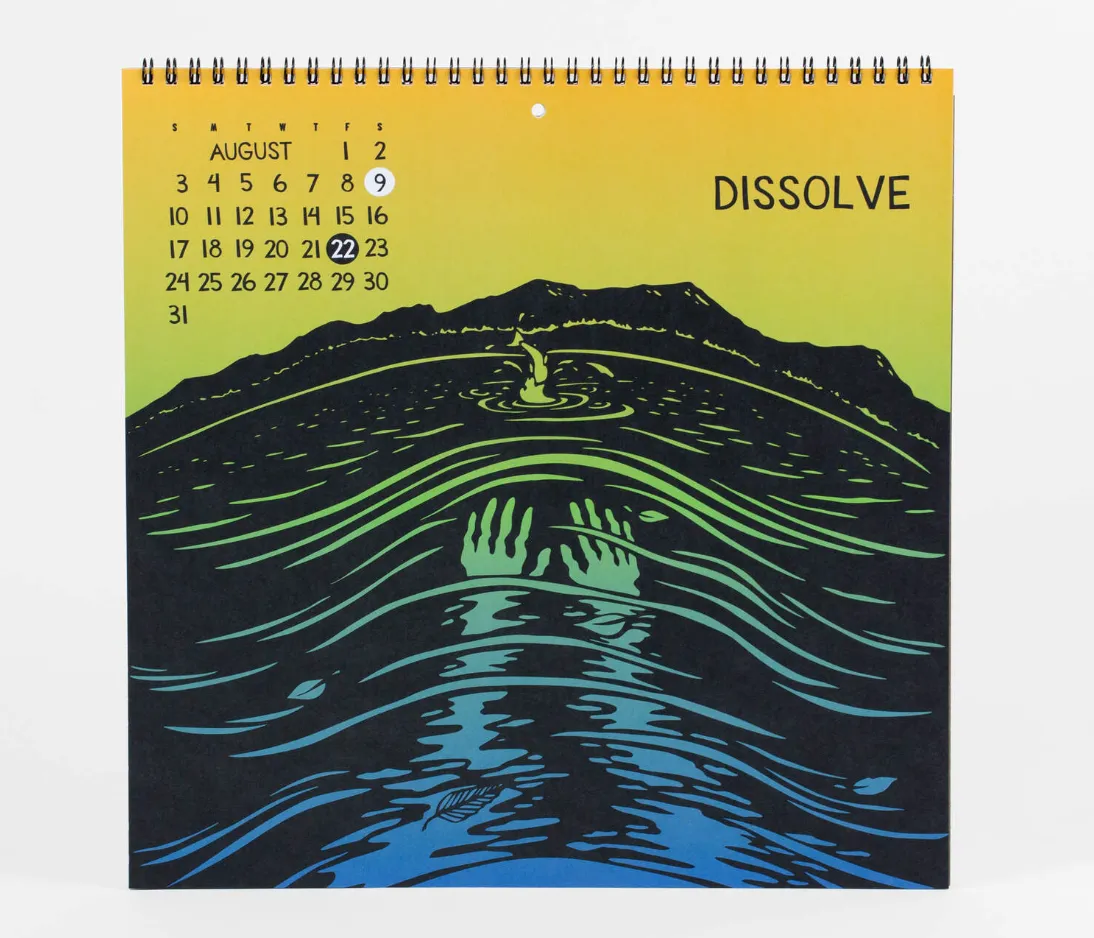
    Some friends of ours, the Stiflers, have a wall calendar by artist Nikki McClure. Each month features a word and image McClure cut from a single sheet of black paper. August’s word is “dissolve.” With all the ways our digital technologies might be evolving us as we move into the future, McClure’s word choice makes me think we might do better dissolving back into nature. Maybe that’s an action we can take to become more human too.

    Last week I put together two playlists that express these contrasting sentiments: 1) my crab mix – A Digital Evolve? and 2) my human mix – A Natural Dissolve. You can read the rest of the newsletter here and listen to the playlists below. I hope you enjoy!


  • It’s Never Too Late

    Happy Fourth of July!

    I recently read about the joy and pain of learning new things as an older human. I turned 45 a few weeks ago and think that might classify me as “older,” or at least older than I was last year.

    A few months ago, this post by Jeff Corsi inspired me to want to take up a new activity of my own in older age—longboarding. I love the way Corsi—seemingly effortlessly—cruises the city streets with complete control of his board, carving and flipping it around at will. I wondered how long it would take me to acquire such advanced skills.

    I shared this intention with my buddy Matt, and he graciously told me he’d send me his longboard that he no longer uses. True to his word and generous nature, that longboard arrived at my house earlier this week.

    After doing some research on trucks and kingpins, I was able to get everything assembled and ready to go. The only thing left is to start.

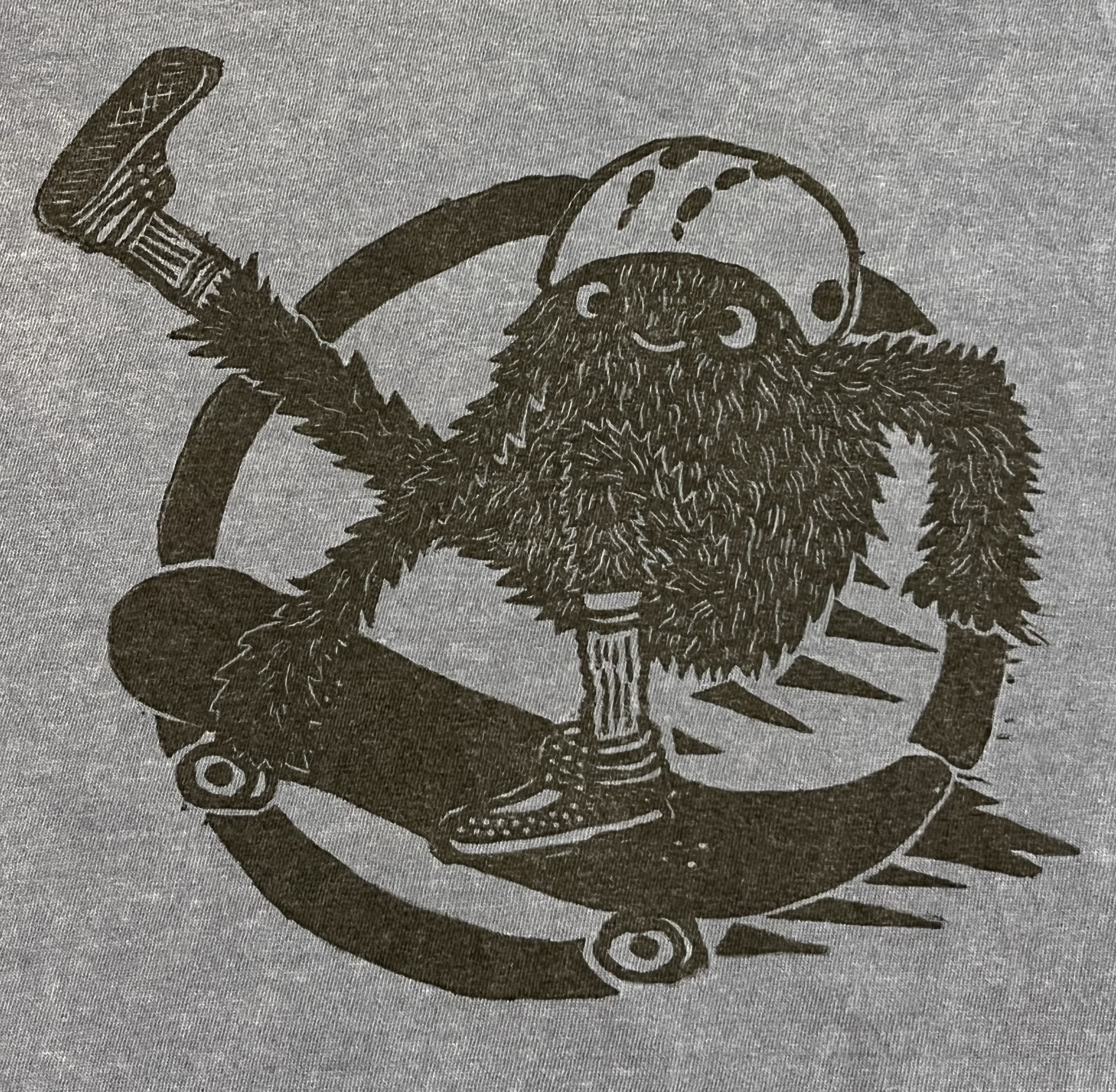
    As if to motivate myself to actually follow through on this, I bought a shirt with a funny little monster skateboarder on it while attending the Blue Ox Music Festival last week.

    But maybe it’s something I don’t actually have to follow through on, or at least not long-term. In fact, I stumbled upon the following video on how to have a good summer, guaranteed, and took encouragement from Step 1: Start a hobby (with the intention to quit).

    If you start a hobby forever, it’s a lot of pressure to overcome at first. Starting a hobby for the summer, though—that’s something anyone can get behind. And you don’t lose sight of the fact that a hobby is something to be enjoyed for its own sake.

    Will I develop Corsi’s smooth and graceful longboarding flow? Probably not. But I think I can carve my own path to some unknown destinations and enjoy myself along the way.


  • Not Broken

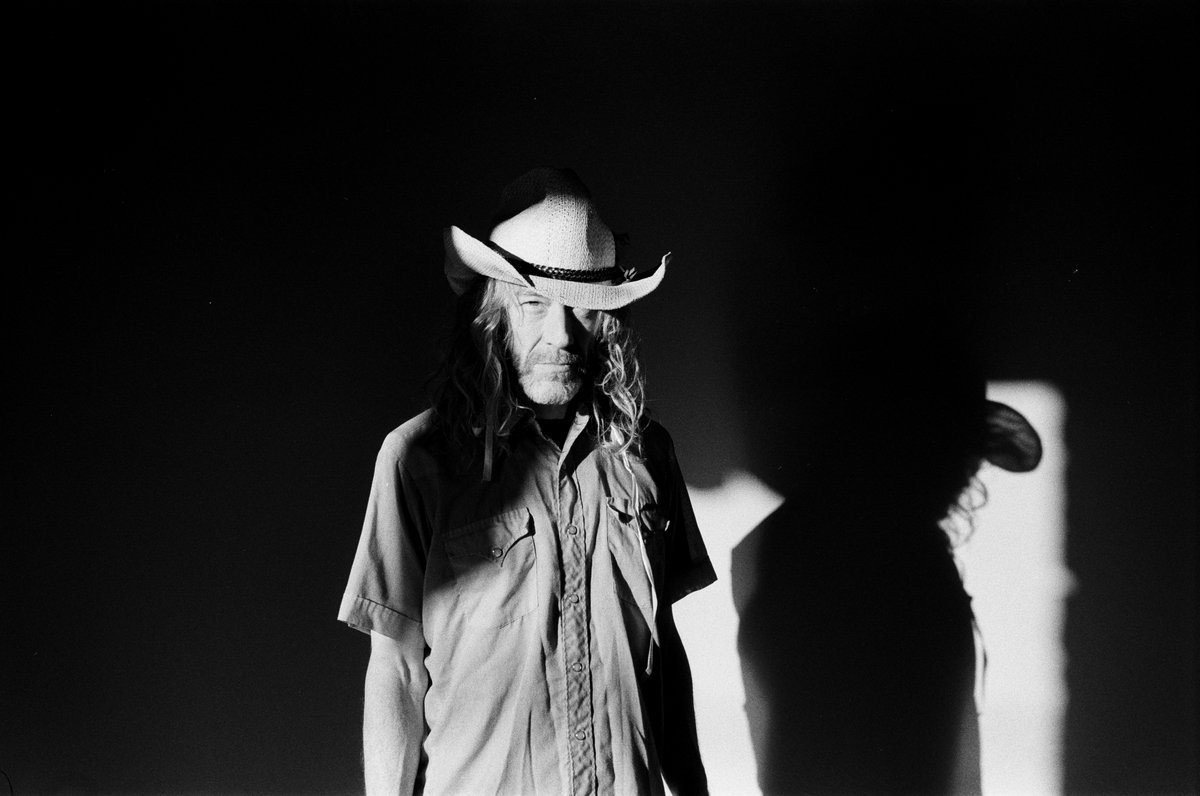
    Earlier this spring, I was struck by the music video for Alan Sparhawk’s new single “Not Broken,” which features the Low band member contemplating life beside wavy waters. I wrote about it in last week’s newsletter on the waves of grief:

    Alan Sparhawk of the band Low just released his second solo album—this time with accompaniment from the band Trampled by Turtles and appropriately titled With Trampled by Turtles. It’s a unique paring—Low’s music is part of the slowcore genre and Trampled by Turtles is known for their blisteringly fast bluegrass. Back in 2022, Sparhawk lost his wife and bandmate Mimi Parker to cancer. After Parker’s death, Trampled by Turtles invited Sparhawk to sit in with them on some of their shows. Both bands being from Duluth, it was an easy way they could show up for their longtime friend and support him during his grief. In this moving and insightful Stereogum interview, Sparhawk discusses his first solo album White Roses, My God—along with his experience grieving the loss of Parker. One of the singles from his new album is “Not Broken.” Its chorus features a female vocalist—sounding uncannily like Parker—who sings over and over again, “It’s not broken. I’m not angry.” This vocalist, it turns out, is the daughter of Sparhawk and Parker—Hollis. The music video for the song shows Sparhawk continuing to grieve Parker beside bleak, choppy waters—but with a hint that he’s finding his way into healing, that he and Hollis are not broken and not angry, despite their pain. As grief goes on, that’s a hopeful place to be.

    You can check out the music video for “Not Broken” here:


  • It Comes in Waves

    I like being in and around water. With its many lakes and rivers, my home state of Wisconsin provides ample opportunities to enjoy it. There aren’t any oceans, of course, but the expansive Lake Superior to the north and Lake Michigan to the east evoke the illusion of one. Standing on those shores, your gaze finds no land on the horizon, and the waters can swell into waves that are big enough to surf.

    But large bodies of water—like the Great Lakes and oceans of the world—are mysterious places for us land dwellers. The ocean, itself, covers about 70% of the Earth’s surface and despite its importance to life on this planet, there’s so much we still don’t know about it. As of 2024, only 26.1% of the ocean floor has been mapped using sonar technologies, and only 5% of the ocean has actually been explored.

    These deep waters conjure the unknown. One of my favorite lines from the Harry Potter books comes from Dumbledore, as he and Harry are crossing the dark waters of a sea cave to locate one of Voldemort’s Horcruxes:

    There is nothing to be feared from a body, Harry, any more than there is anything to be feared from the darkness. It is the unknown we fear when we look upon death and darkness, nothing more.

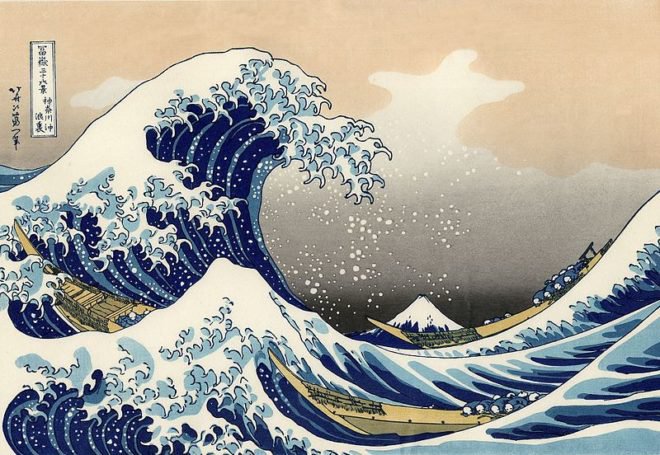
    If the darkness below makes us uncomfortable, the water’s surface provides its own uncertainty. This week I watched a Great Art Explained video about The Great Wave off Kanagawa, by Japanese ukiyo-e artist Katsushika Hokusai. It’s a woodblock print that Hokusai made in 1831—part of his Thirty-six Views of Mount Fuji series.

    The first thing you see in the famous image is the foreboding wave, suspended in midair and ready to crash. But a closer look reveals three fishing boats being tossed about on the tumultuous sea, along with a small Mount Fuji in the distance. The way in which the great wave overshadows Mount Fuji—a sacred symbol of Japanese resilience and strength—is significant. Hokusai intended it as a commentary on how Japan was becoming more open to western influences—a time of instability and uncertainty for the country that had firmly closed its doors to such influences for over two hundreds years. The sea that protects life in Japan also has the capacity to engulf it. The vivid “aliveness” of the wave itself is “the embodiment of Hokusai’s belief that Art has a life of its own—a life force.”

    Certain things in life, like Art, have their own life force—things like Love and Grief. As much as we’ve advanced as humans, there’s still a lot that we don’t understand about these two related emotions—and about Grief, in particular. Grief remains as unexplored as the ocean, as chaotic as the waves crashing. It’s not until we’re plunged into its depths or tossed about by its waves that we truly come to know Grief.

    In her book The Year of Magical Thinking, Joan Didion recounts the harrowing year following her husband’s sudden, unexpected death. She describes how Grief “comes in waves”:

    Grief, when it comes, is nothing like we expect it to be. … Grief has no distance. Grief comes in waves, paroxysms, sudden apprehensions that weaken the knees and blind the eyes and obliterate the dailiness of life. Virtually everyone who has ever experienced grief mentions this phenomenon of ‘waves.’

    Author Elizabeth Gilbert also compares Grief to a “wave”—or rather, a “tsunami”—while discussing the loss of her life’s partner in a TED interview. With raw insight, she explains how Grief is connected to Love through how we handle such waves when they hit:

    I have learned that Grief is a force of energy that cannot be controlled or predicted. It comes and goes on its own schedule. Grief does not obey your plans, or your wishes. Grief will do whatever it wants to you, whenever it wants to. In that regard, Grief has a lot in common with Love.

    The only way that I can ‘handle’ Grief, then, is the same way that I ‘handle’ Love—by not ‘handling’ it. By bowing down before its power, in complete humility.

    When Grief comes to visit me, it’s like being visited by a tsunami. I am given just enough warning to say, ‘Oh my god, this is happening RIGHT NOW,’ and then I drop to the floor on my knees and let it rock me. How do you survive the tsunami of Grief? By being willing to experience it, without resistance.

    Both Didion and Gilbert have faced realities of loss that seem unimaginable to those who have not gone through them. But psychotherapist and grief advocate Megan Devine cautions that a key problem with how our culture approaches grief isn’t an inability to imagine that kind of pain, but a fear of doing so—we can imagine it, but we don’t want to. Rather than face such tremendous pain alongside those going through it, we turn away from it. According to Devine, this results in us failing to connect with those in grief. Pain is a reality of being human. To ignore that potential for ourselves—or our loved ones who are experiencing it—is to deny what it means to be fully human. And for those treading in their darkest waters, it only adds to their suffering.

    In Devine’s book It’s OK that You’re Not OK: Meeting Grief and Loss in a Culture that Doesn’t Understand, she writes that in honoring the full breadth of grief, we also honor the full breadth of love. Those depths are equally profound. Like Gilbert, Devine writes that both grief and love are mysteries before which we must bow down. She writes:

    Grief no more needs a solution than love needs a solution. We cannot ‘triumph’ over death, or loss, or grief. They are immovable elements of being alive. If we continue to come at them as though they are problems to be solved, we’ll never get solace or comfort for our deepest pain.

    Instead of treating grief as a problem to be fixed, Devine proposes that we simply allow it to exist. The only way to handle grief’s waves is to let them wash over you. Educator Parker Palmer says that “the human soul doesn’t want to be advised or fixed or saved. It simply wants to be witnessed, exactly as it is.” By acknowledging and bearing witness to the pain of those in grief—by swimming in the dark and wavy waters alongside them—we help them know that things can be made better, even though they can’t be made right. There’s no turning back, no jumping forward, and no skipping around. The only way out is through—with a willingness to let the waves move you as they will—as you find a way to live this new reality that has met you.

    If you’re experiencing grief, or trying to support someone in grief, check out Megan Devine’s website Refuge in Grief. If you’re trying to help a loved one, her essay “How to Help a Grieving Friend: 11 Things to Do When You’re Not Sure What to Do” and infographic “Do This, Not That” are good places to start.


ABOUT THE AUTHOR

Eric Wenninger is an educator and writer. He teaches language and culture and writes about his thoughts and experiences here.